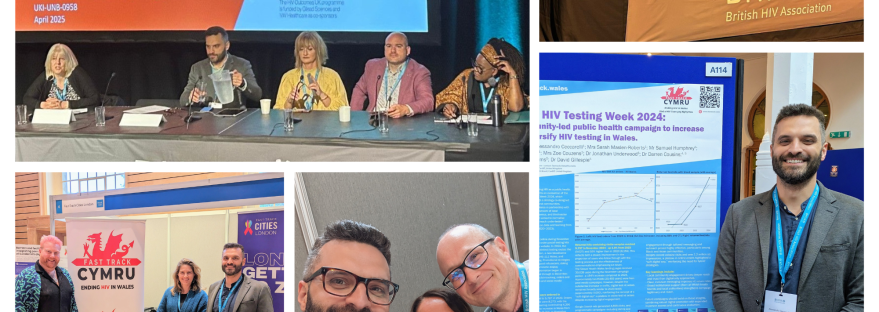
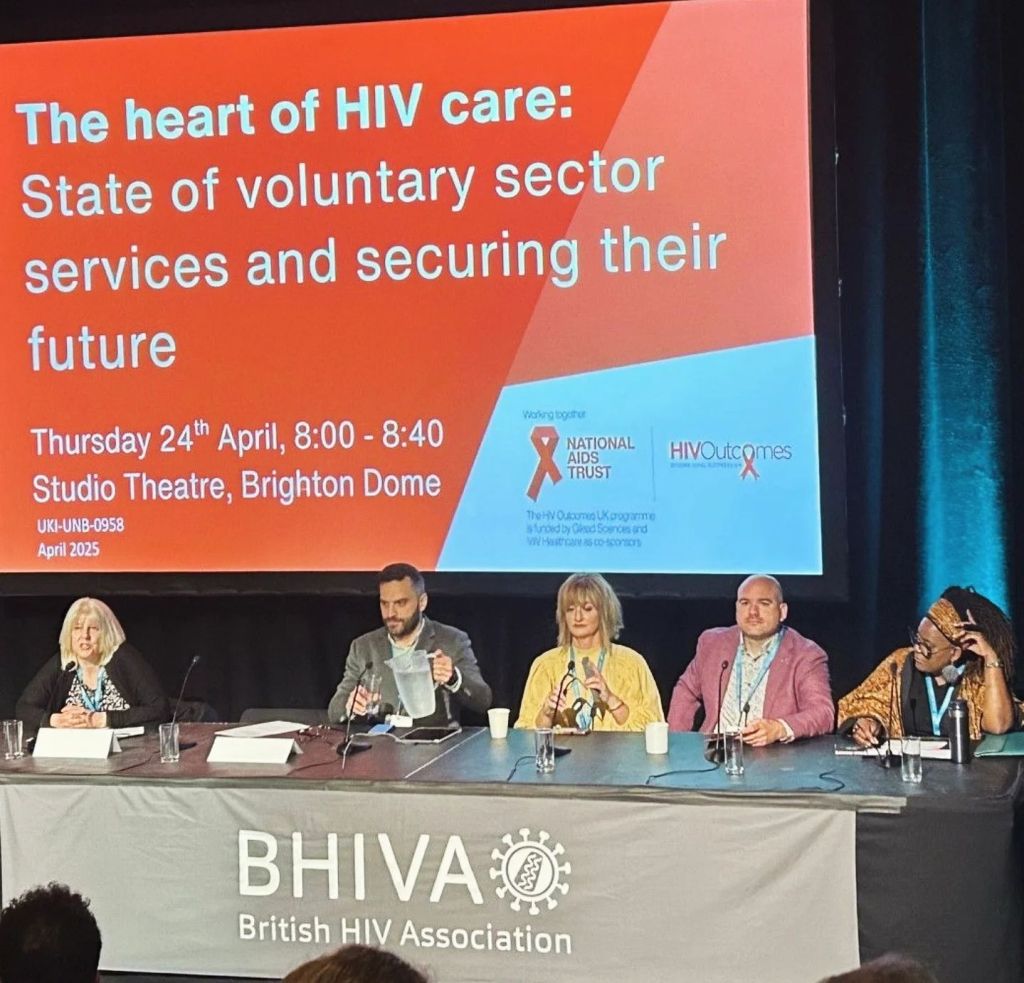
In April 2025, I was honoured to attend and speak at #BHIVA25 this week at the National AIDS Trust and HIV Outcomes session on the future of HIV services in the UK.
Our session explored what the future of HIV services in the UK could and should look like. We focused not just on viral suppression, but on the wider picture – on how to ensure that people living with HIV do not simply survive, but thrive. My contribution made the case for something I believe is fundamental to this vision: we cannot hope to meet our national goals or fulfil our international commitments without protecting and sustaining the HIV voluntary and community sector. These services, particularly in the areas of prevention and support, are essential to the system’s strength.
Yet too often, community-led initiatives are treated as if they were optional extras, useful but not essential. That could not be further from the truth. These are not side projects. They are core infrastructure. They are the trusted spaces that meet people where they are, that reflect the communities they serve, and that help hold the HIV response together.
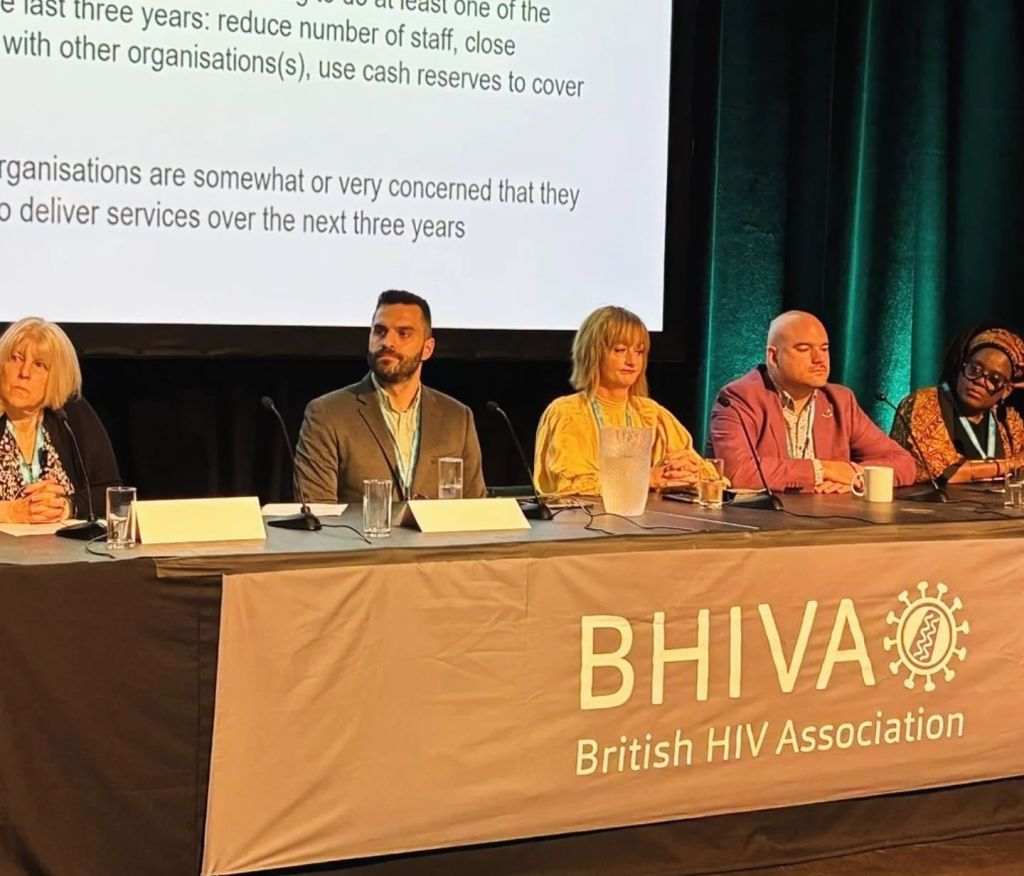
It was a privilege to speak alongside a group of brilliant and compassionate leaders. I am especially grateful to Professor Caroline Sabin, Professor Yvonne Gilleece, Juddy Otti-Olunga, James Cole, and Richard Angell for their insight, collaboration, and clarity of purpose.
During the panel, I shared reflections on the work of METRO Charity and the extraordinary dedication of our teams across London and South East England.
Our HIV services are shaped by the voices of our communities and delivered in partnership with others who share our values. Together with organisations like Spectra and Positive East, we lead outreach and testing through the LHPP and GMI partnerships, focusing our efforts on LGBTQ+ people, migrants, global majority communities, and minority groups. These are not temporary pop-up interventions. They are deeply rooted points of trust, delivered by frontline staff who belong to and understand the communities they support.
We work as part of a wider network too, promoting testing with partners such as Terrence Higgins Trust, HIV Prevention England, as well as local authorities, local NHS Trusts, and engaging with the Fast Track Cities network. These partnership projects help us deliver key services on HIV prevention and support opt-out testing in emergency departments.
But diagnosis is only the beginning. Our support continues across the whole journey, from peer-led services, peer mentoring, and counselling to casework, welfare advice, and family support.
This is especially clear in our work across Lambeth, Southwark, Lewisham, Westminster, Kensington and Chelsea, and South London more broadly. Through partnerships with organisations such as Positively UK, Africa Advocacy Foundation, CAPS, Turning Point, NAZ, and London Friend, we deliver holistic services that respond to the realities people face. The “Bridges” coalition and the SASH partnership have offered a range of services, from mental health to immigration issues, from stigma to advocacy, family support, and welfare.
That is what a community-led HIV response looks like. It is embedded, flexible, relevant, and effective.
But it is also vulnerable.
This work, despite its impact, remains chronically underfunded. Peer workers, who are often at the heart of improving outcomes, still struggle to be recognised within formal systems of care.
In my talk, I suggested that if we want a different future, we must take action. We need long-term investments. We need structural integration between clinical and community services, including shared care plans, consistent referrals, and proper recognition of community staff. Most of all, we need services to be designed and led with lived experience and people living with HIV at the centre. So that what is delivered is truly inclusive, effective, and meaningful.

I closed my remarks by sharing a story from Wales, where I helped develop the Fast Track Cities initiative five years ago – and then co-founded the Fast Track Cymru initiative over the past two years. I shone a light on Fast Track Cymru in Wales as an example of best practice in community-led initiatives that are making a real difference. These include the work of our regional teams across Wales on testing and prevention campaigns, as well as anti-stigma and PrEP projects.
That work led to the creation of Wales HIV Testing Week, a campaign that is proudly community-led and deeply rooted in a Welsh identity. From the beginning, we set out to design something that would feel local, culturally relevant, and grounded in trust. And it worked. Every year, we are approached by health boards, councils, and community groups asking when the next one will be. It has become a fixture in the public health calendar – because it feels like it belongs to the people it aims to reach.
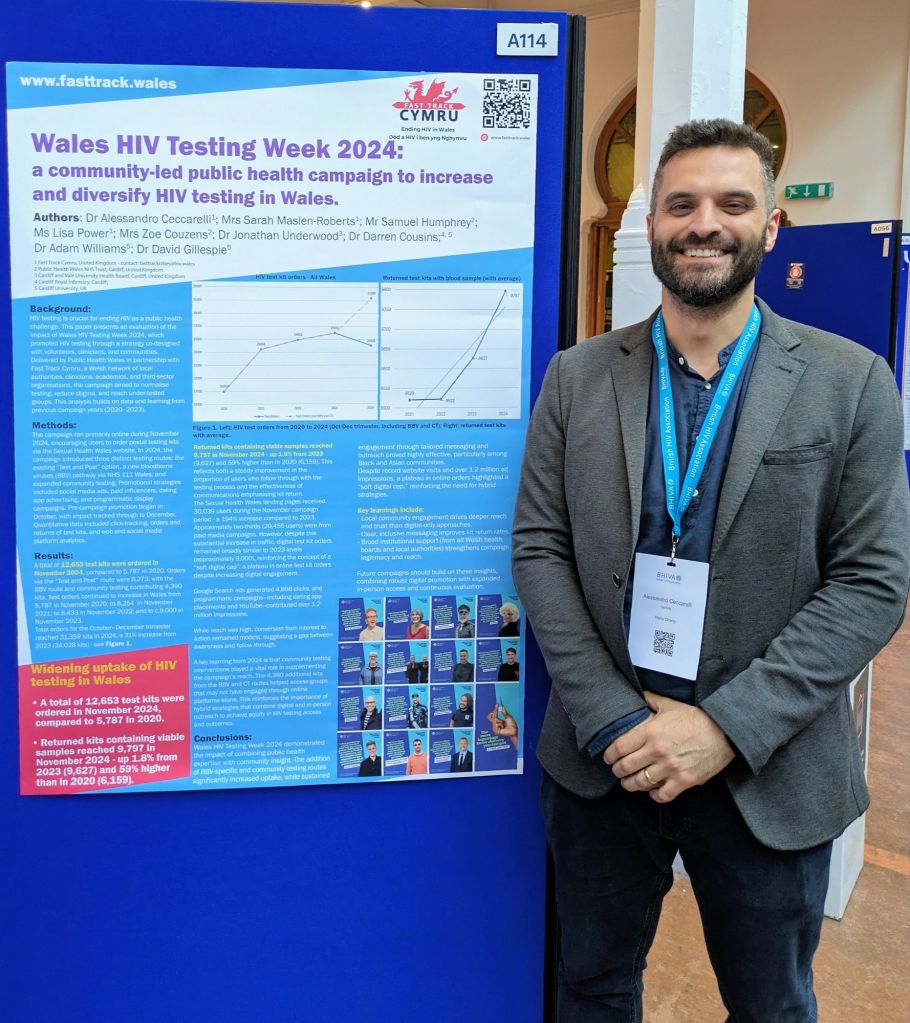
This year at BHIVA25, I was proud to also present new data from the Wales HIV Testing Week 2024 campaign through our research poster. The figures speak volumes. More than 12,600 test kits were ordered in November alone, making it our most successful campaign to date. Over 9,700 of those kits were returned with viable blood samples, representing a 58 percent increase from 2020. That kind of growth is not an accident. It is the result of careful collaboration between Public Health Wales, local authorities, third sector partners, and community voices. The campaign worked because it felt real. It looked and sounded like the communities it served.
These achievements underline the wider point. If we are serious about ending new HIV transmissions by 2030, and about ensuring that everyone living with HIV can live well, then we must move beyond rhetoric. We must fund, embed, and honour the communities that have always been at the forefront of this response.
To everyone working in this space, with passion, purpose, and care, thank you.
Alessandro
 Dr Alessandro Ceccarelli